

After using the OTOFIX D1 Lite on a Jeep Grand Cherokee L, I’d recommend it to DIY owners and small independent shops that want real diagnostic capability without spending thousands on a professional scan tool. It costs under €300, and the Autel-based software architecture gives it a more mature feel than I expected at this price.
Real Workshop Notes
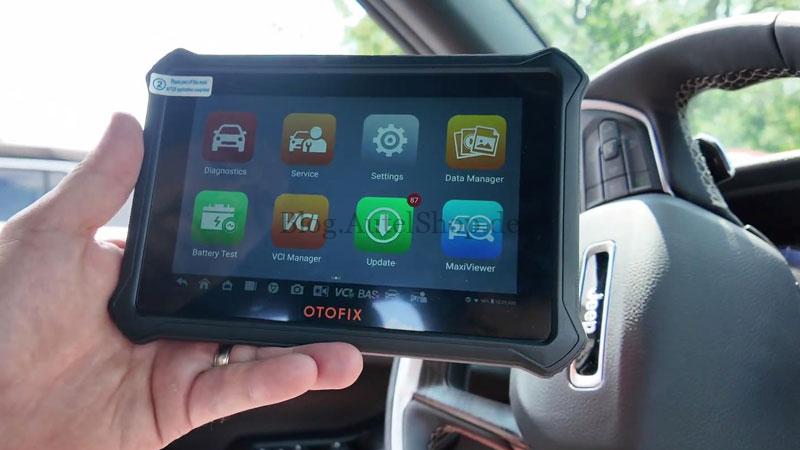
The Autel Software DNA Is Obvious
- The interface feels familiar if you’ve used an Autel scanner before.
- The menus are straightforward, VIN detection is automatic, and I didn’t have to spend much time learning the workflow.
- For a sub-€300 scanner, that was a good first impression.
More Than Just Reading Codes
The D1 Lite is useful when you actually need to find the cause of a fault.
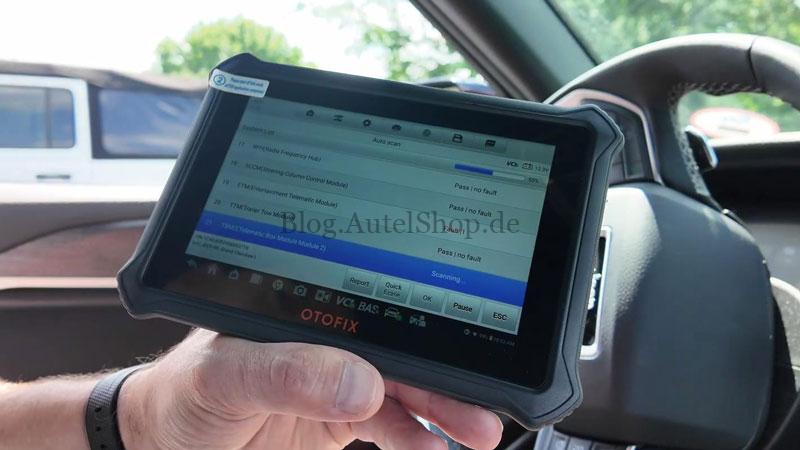
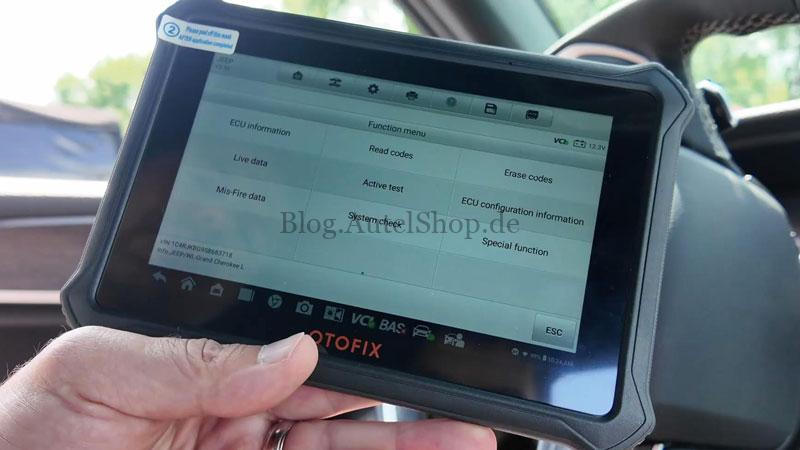
I could run an Auto Scan across the vehicle, then go into individual modules for live data and Active Tests. Being able to command things like wipers or fuel-system components is much more useful for troubleshooting than simply reading a stored code.
Live Data Is One of the Better Features
The live-data section gives you more than a list of numbers.
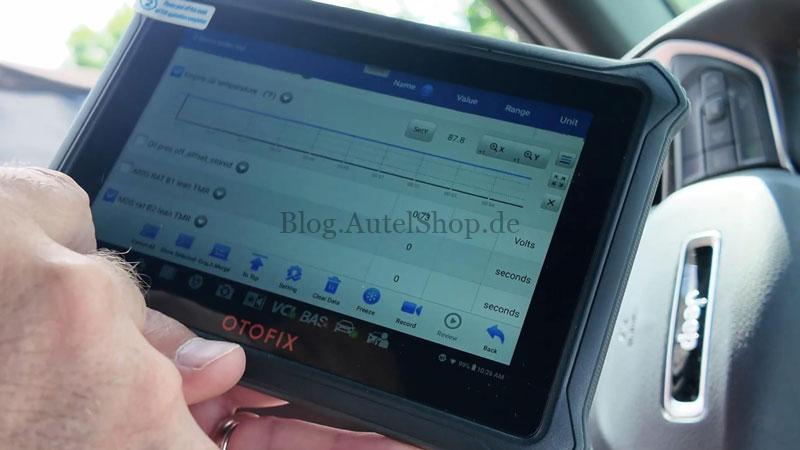
I could watch parameters such as oil temperature and pressure using different displays, including gauges, graphs, and bar charts.
The custom threshold alarm was also useful. If a parameter moves above or below a set value, the scanner can alert you instead of making you stare at the screen during a test.
The Used-Car Functions Are Worth Having
The mileage and VIN functions are something I don’t see discussed enough.
On supported vehicles, the D1 Lite can read mileage and VIN information stored in different control modules. That gives you another way to spot inconsistencies when checking a used vehicle, especially if a PCM or other major module has been replaced.
I wouldn’t treat it as proof of a vehicle’s history by itself, but it’s useful information to have before buying.
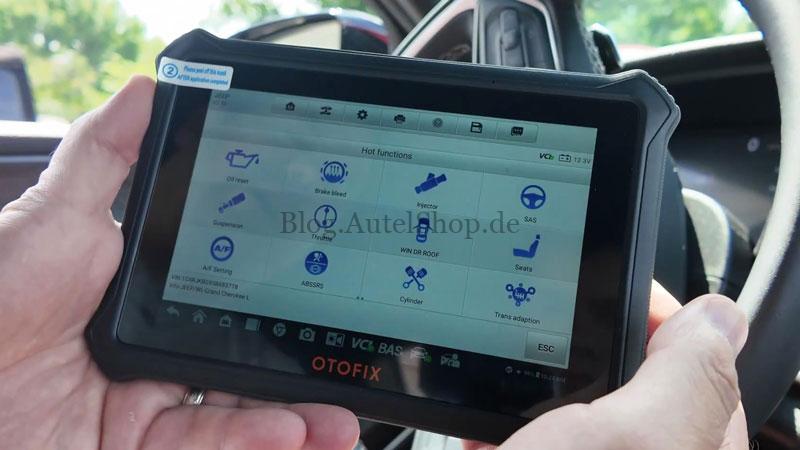
Service Functions Cover the Everyday Jobs
The built-in service functions handle the jobs I’d expect to use regularly, including oil-life reset, brake bleeding, injector coding, throttle reset, and airbag-related tests.
I like that these are easy to reach rather than buried behind a complicated workflow.
The OBD Adapter Has a Smart Little Detail
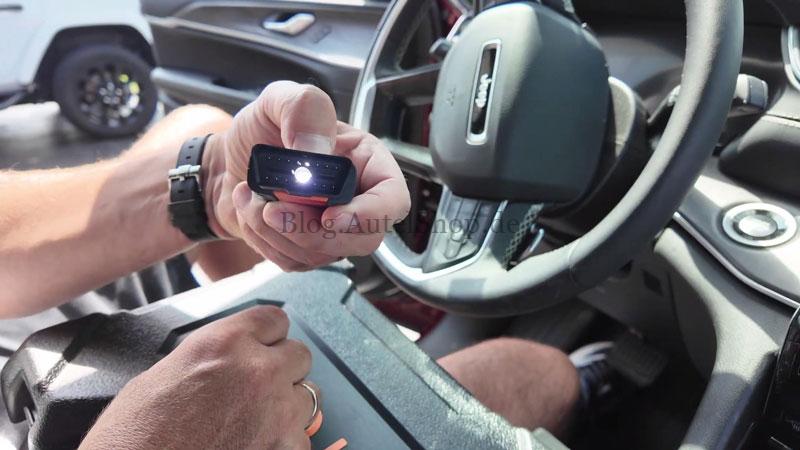
The wireless OBD2 adapter has its own small flashlight controlled by a button.
That sounds trivial until you’re lying under a dashboard trying to find the OBD port in the dark.
It’s one of those simple hardware ideas that makes more sense once you’ve actually used it.
The Hardware Is Surprisingly Compact
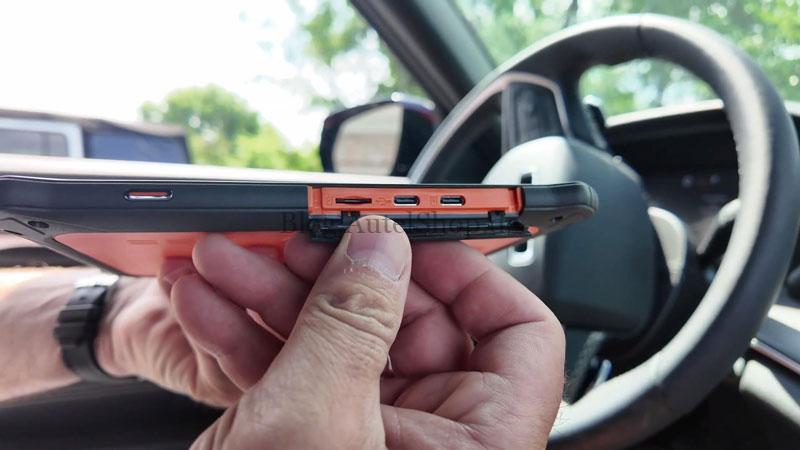
The tablet is thin and easy to handle around the vehicle.
There’s also a rear camera and flash, plus an SD card slot for things such as screenshots and saved reports.
The platform can also work with an expansion accessory for checking battery health, although that’s not something I was able to test in this session.
Stellantis Users Need to Check AutoAuth
If most of your work is on Jeep, Dodge, Ram, Chrysler, or other Stellantis vehicles, check this before buying.
Security Gateway protection means AutoAuth is required for certain bidirectional functions.
The D1 Lite itself supports Active Tests, but SGW restrictions still apply on affected vehicles.
What I Noticed
What I liked:
- Autel-style software feels mature and easy to learn.
- Auto Scan makes a full-vehicle check straightforward.
- Active Tests are useful for real troubleshooting.
- Live-data graphs and threshold alerts add practical value.
- Mileage and VIN information can help when inspecting used vehicles.
- Service functions cover many everyday jobs.
- The OBD adapter flashlight is genuinely useful.
- The tablet is thin, with camera, flash, and SD card support.
What I liked less:
- The initial full-vehicle scan can take a few minutes.
- Registration is required before full use.
- AutoAuth adds an extra requirement for protected Stellantis functions.
- Some hardware and expansion functions require additional accessories.
- It doesn’t have the accessory ecosystem of much more expensive professional platforms.
Would I Buy It Again?
Yes. After using it in a real workshop, I think the D1 Lite Diagnostic Tablet makes sense for someone who has outgrown a basic code reader but doesn’t need a several-thousand-dollar scan tool.
The software inherits Autel’s established architecture, while the hardware adds some genuinely useful touches. Compared with similarly priced Thinkcar or MuCar tools, that’s a meaningful advantage to me. At under €300, I’d consider it for everyday diagnostics, DIY work, and used-car inspections.
Contact Info:
Email: sales@AutelShop.de
Wechat: +86-13429866263
Whatsapp: +86-13429866263
www.autelshop.de